



Ashutosh Mishra

Ashutosh Mishra

Postdoctoral Researcher, Dynamic Legged Systems lab,
Istituto Italiano di Tecnologia (IIT), Genova, Italy

I build legged and modular robots for the lunar surface, and the learning-based control that lets them keep working when the terrain does not cooperate.

I am a postdoctoral researcher in the Dynamic Legged Systems lab at Istituto Italiano di Tecnologia (IIT) in Genova, working with Claudio Semini on learning-based locomotion controllers for quadrupedal robots in space exploration, under the ALTEC project. Most of my time goes into GPU-accelerated reinforcement learning and the sim-to-real transfer pipelines that decide whether a policy trained in Isaac Lab survives contact with real hardware.

Before Genova I completed my doctorate at the Space Robotics Lab at Tohoku University with Kazuya Yoshida, as a Japanese Government MEXT scholar, working on MoonBot: a modular, reconfigurable robot for lunar base construction developed under JST Moonshot Goal 3. That work was field-tested at the JAXA Space Exploration Test Field in Sagamihara and in the Abukuma Cave, which we used as a stand-in for lunar cave environments.

Email meCurriculum vitae PDFScholarORCIDLinkedIn

Featured research

IEEE Transactions on Field Robotics, 2025

MoonBot: a modular robot for building a Moon base

One set of limbs, wheels and tools that reconfigures on demand into whichever machine a lunar construction task needs.

About MoonBot

Best Paper Award in Planetary Robotics, IEEE iSpaRo 2025, Sendai, Japan

Multi-Modal Decentralized Reinforcement Learning for Modular Reconfigurable Lunar Robots

IEEE International Conference on Space Robotics (iSpaRo), 2025

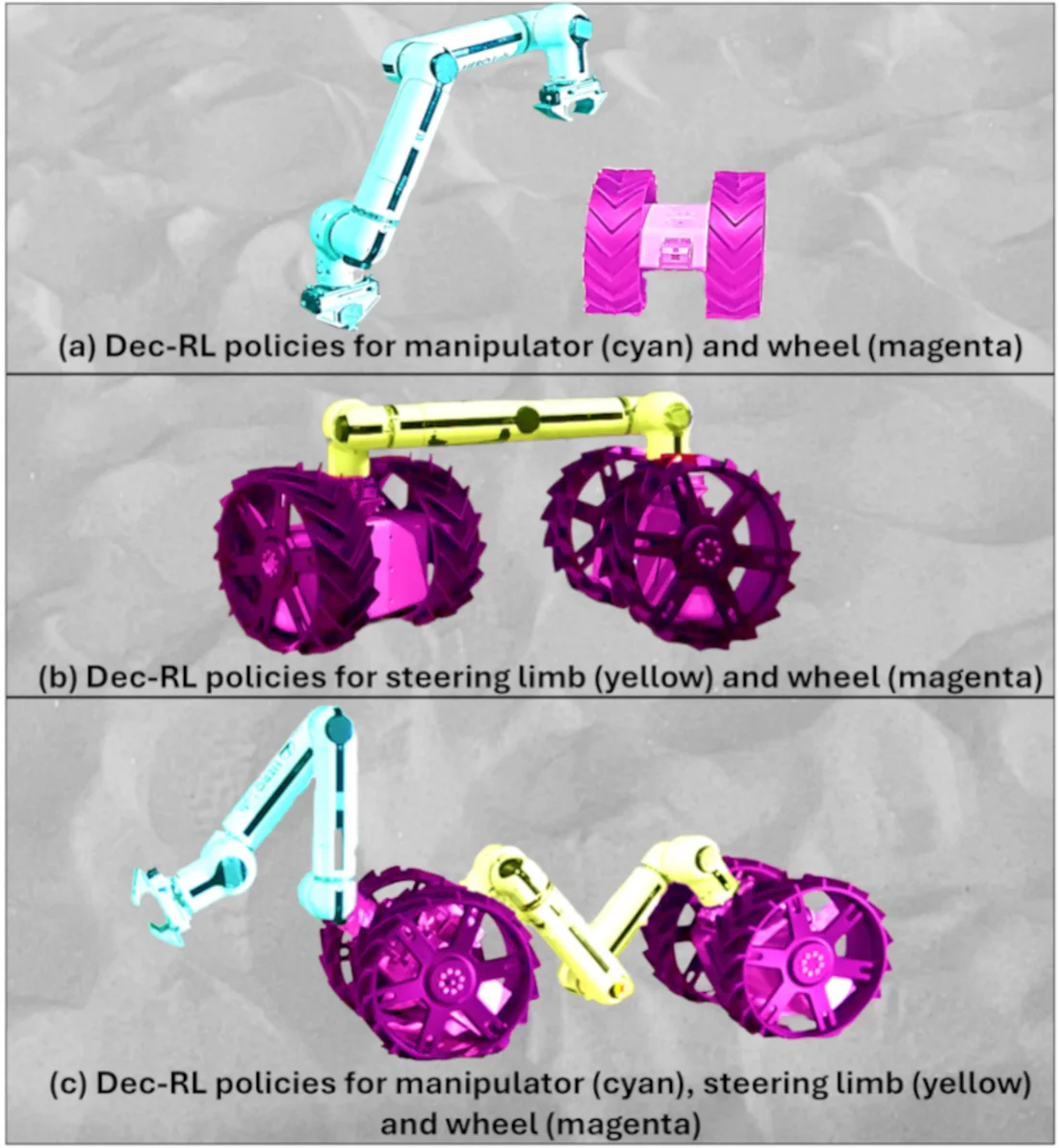
A decentralized reinforcement learning approach for robots whose morphology changes: each module learns to act on local, multi-modal observation rather than from a central controller, so the same policy set survives reconfiguration.

Paper detailsarXiv preprintVideo

Three MoonBot configurations with each module colour coded by the policy that drives it: manipulator in cyan, steering limb in yellow, wheels in magenta.
Fig. 1. Each module runs its own policy: wheel modules learn locomotion with SAC, and 7-DoF limbs learn manipulation and steering with PPO. The same policies carry across configurations.
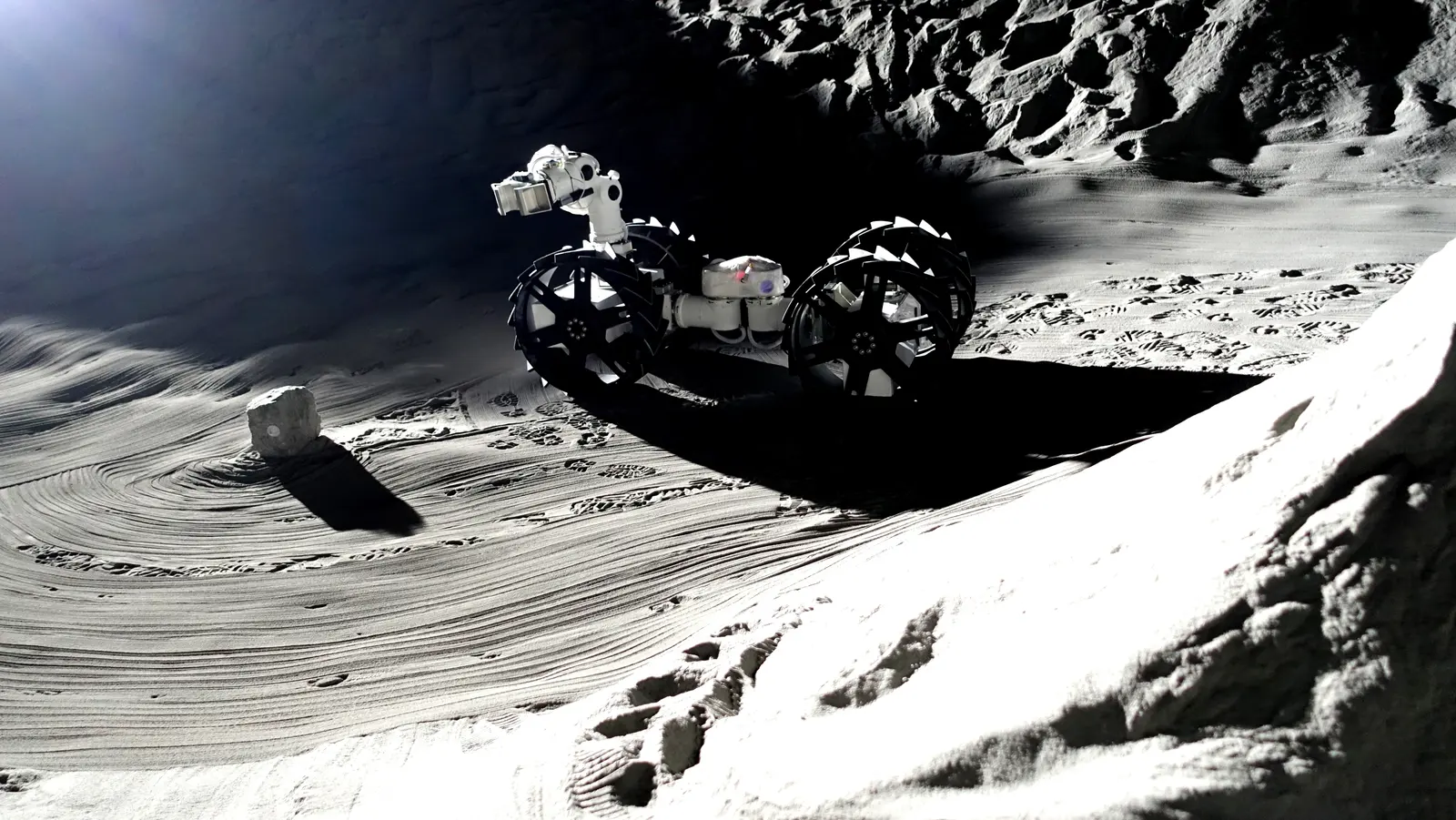
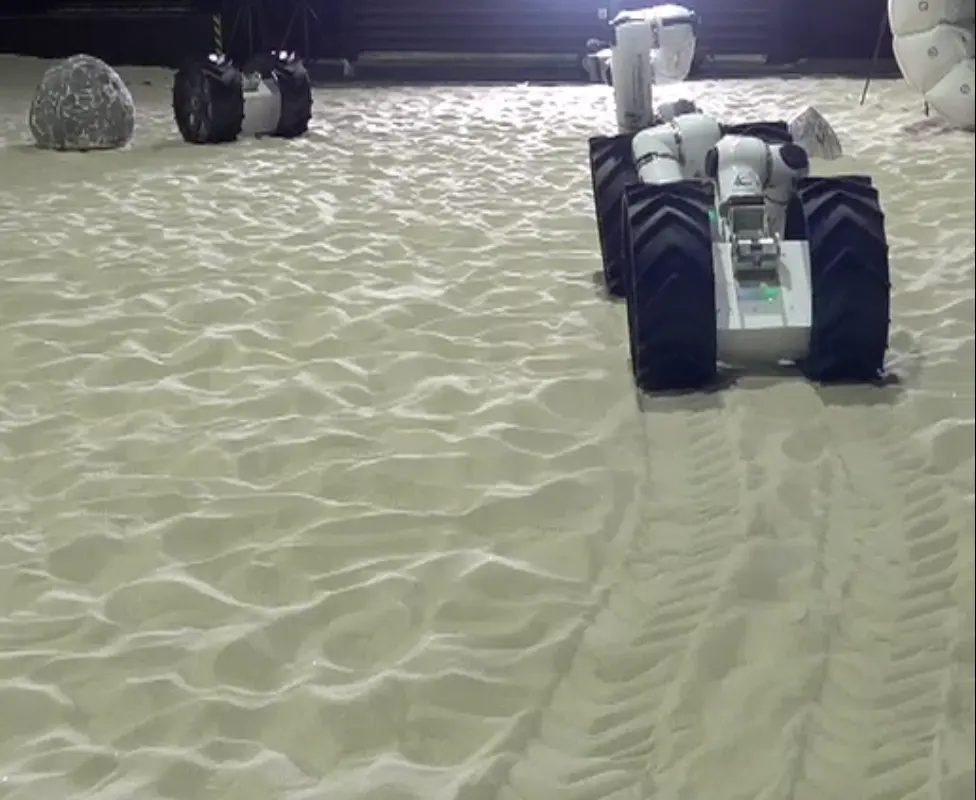
MoonBot in Dragon configuration on a crater rim in regolith simulant, DLR-ESA LUNA facility, Cologne.
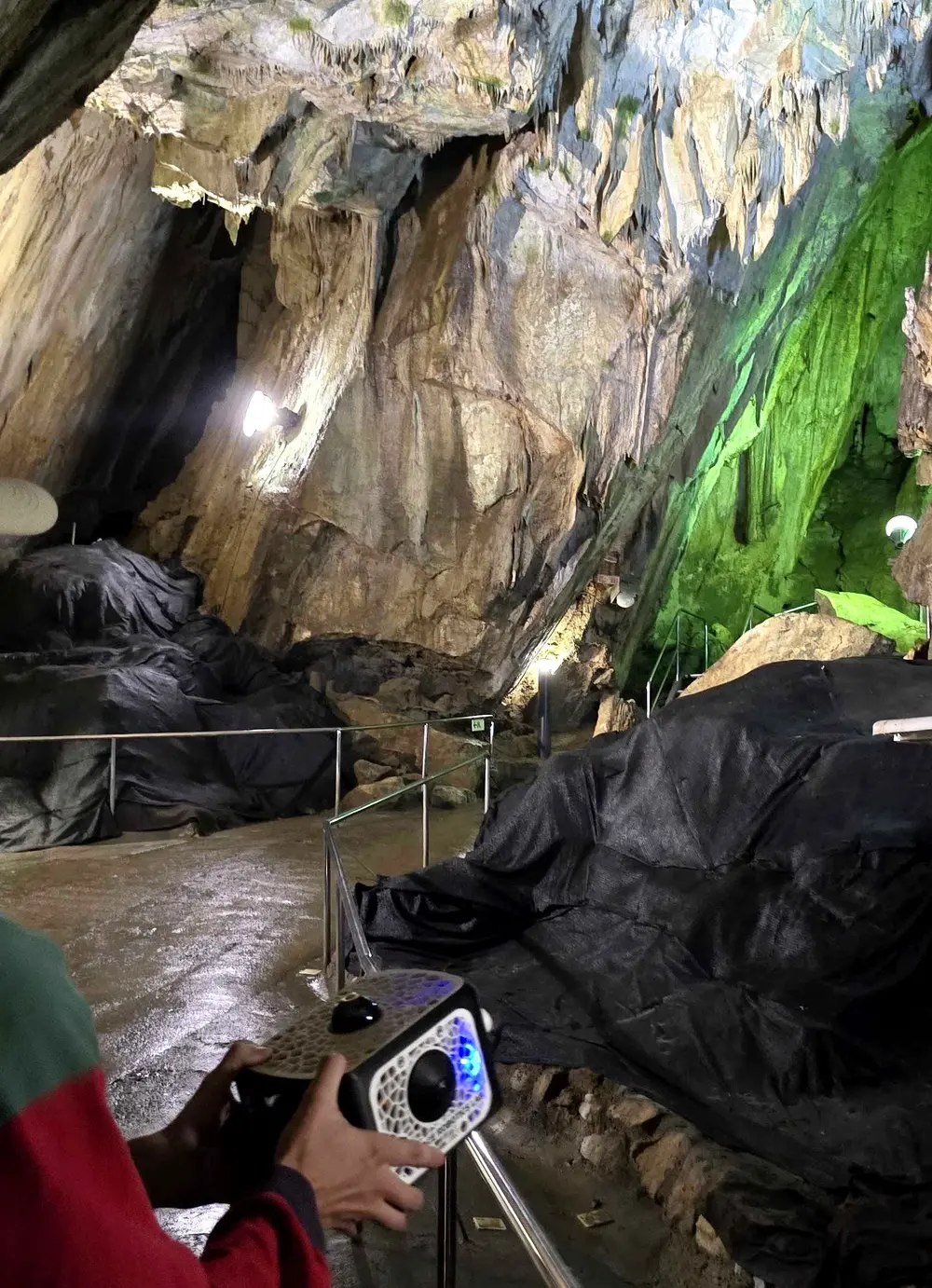
The modular sensor box in Abukuma Cave, a stand-in for lunar caves.
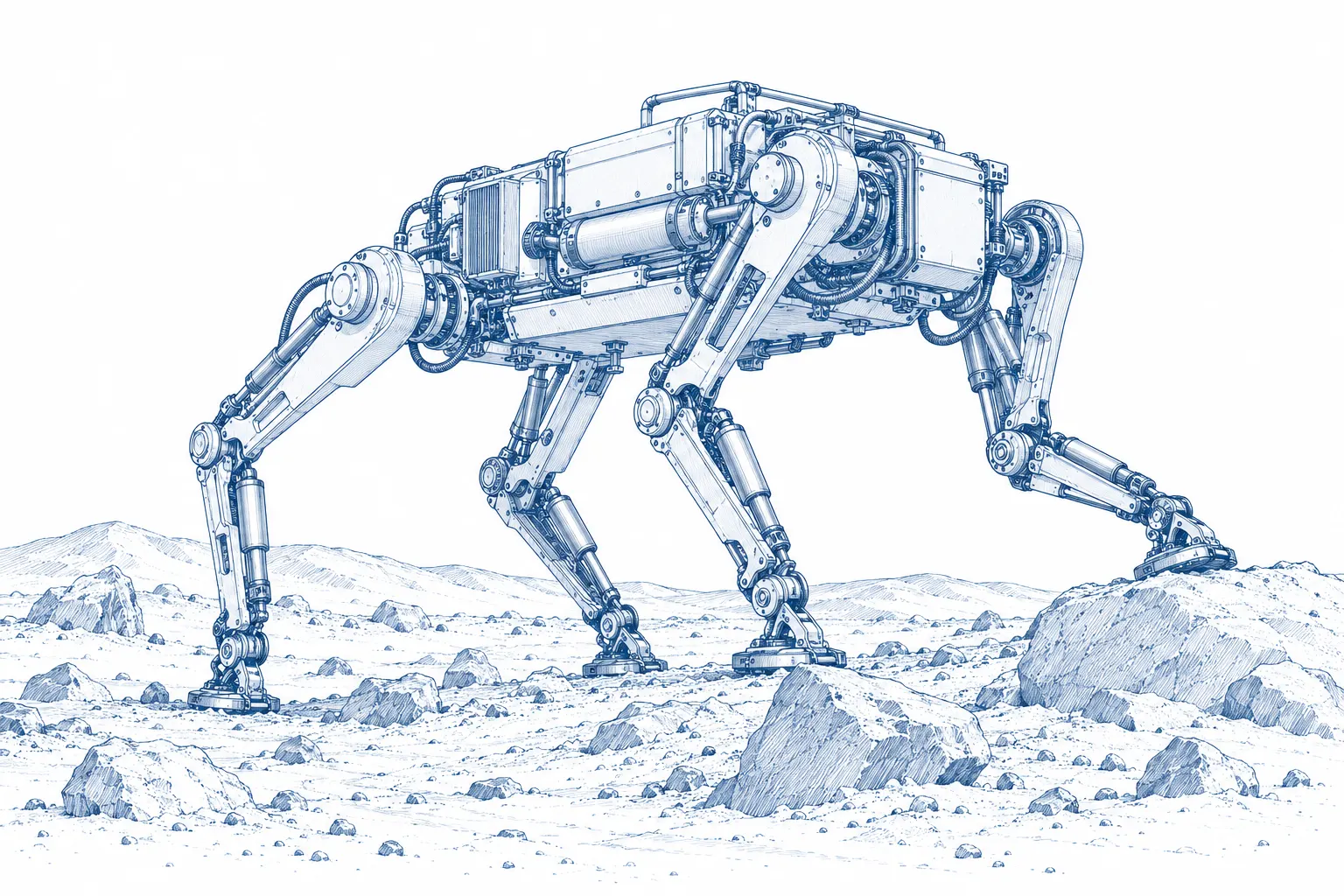
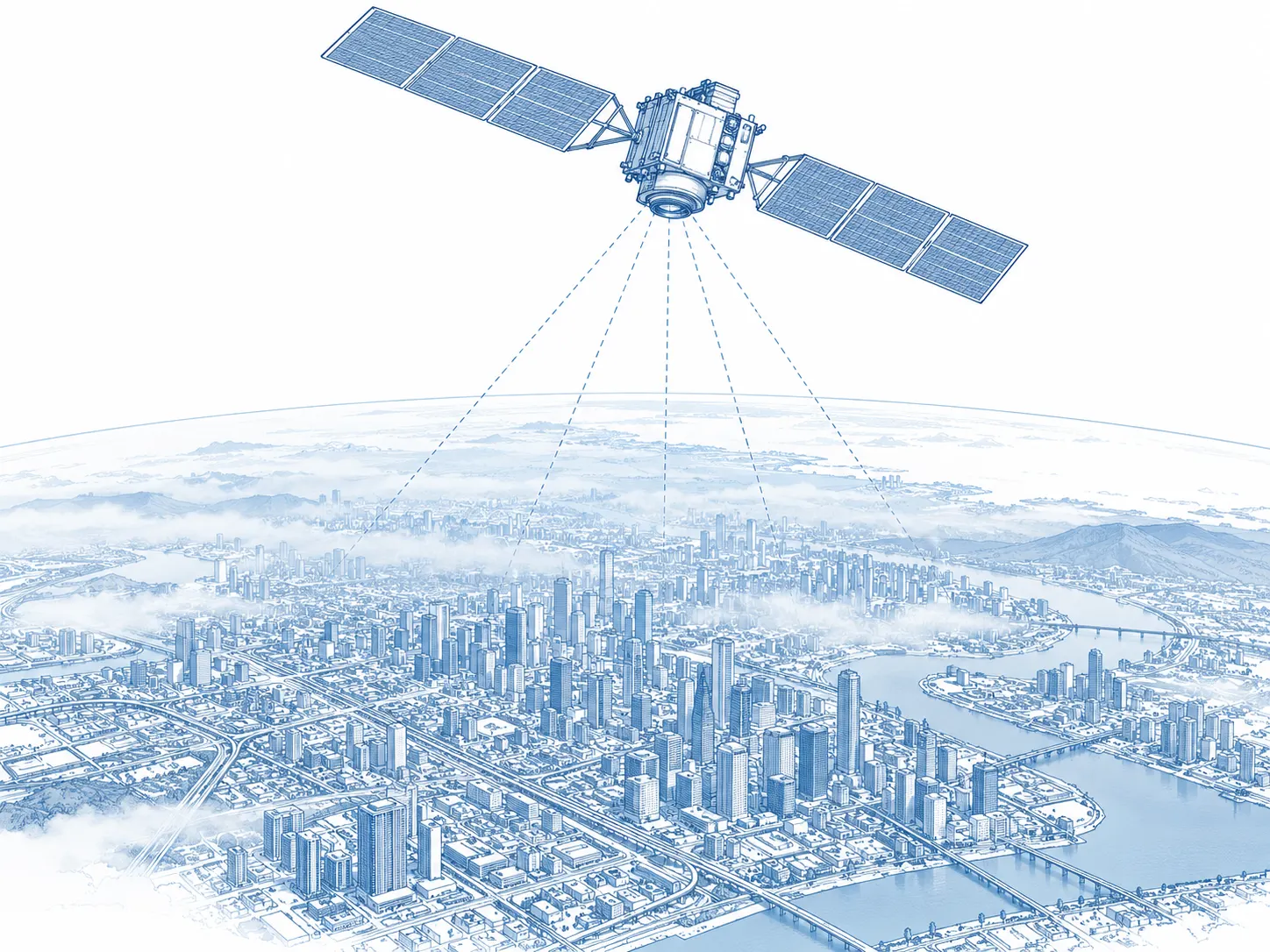
Quadrupeds for terrain nobody has surveyed: the problem the work in Genova addresses.
Quadrupeds for terrain nobody has surveyed: the problem the work in Genova addresses. Illustration.

Research

My research lies at the intersection of space robotics and artificial intelligence.

  • Legged locomotion for space

    Current work

    How does a legged robot keep walking on terrain that no one has surveyed, with no chance of rescue?

    Learning-based controllers for quadrupeds that have to walk on surfaces nobody has surveyed.

  • Modular reconfigurable lunar robots

    If you can only land a fixed mass on the Moon, should it be one specialised machine or a set of parts?

    MoonBot: one set of limbs, wheels and tools that reconfigures on demand into whichever machine a lunar construction task needs.

  • Learning and autonomy for field robots

    What has to be true for a learned policy to still work outside the simulator?

    Decentralized RL, agentic planning, and the sim-to-real gap that decides whether any of it survives contact.

Speaking and recognition

IAC 2025 in Sydney, a best paper award at iSpaRo 2025, and the Space Studies Program in Houston.

Selected projects

All projects

Selected publications

10 peer-reviewed items in total, plus work under review.

IEEE/RSJ IROS2025

Robust and Modular Multi-Limb Synchronization in Motion Stack for Space Robots with Trajectory Clamping via Hypersphere

Elian Neppel, Ashutosh Mishra, Shamistan Karimov, Kentaro Uno, Shreya Santra, Kazuya Yoshida

IEEE/RSJ International Conference on Intelligent Robots and Systems (IROS)

Keeping multiple limbs of a space robot synchronized when any of them may be added, removed or delayed, using hypersphere trajectory clamping to bound the motion each limb is allowed to command.

All publications

Villagers walking in under the GyanKutir banner on the library's opening day.

Society

Outside the lab I am Technical Lead and Advisor at Helping Hut, a student-founded NGO running free street schooling, a village library and relief drives in India, and I built the platform it runs on.

Society work

  1. PaperInflatable-module field demonstration accepted at IEEE iSpaRo 2026
  2. AppointmentStarted as a postdoctoral researcher at Istituto Italiano di Tecnologia (IIT), Genova
  3. PaperFirst-author paper on multi-robot lunar cargo transport accepted at IEEE/RSJ IROS 2026
  4. AppointmentCompleted doctoral research at the Space Robotics Lab, Tohoku University

Get in touch

Collaboration enquiries, talk and panel invitations, and questions about the work are all welcome. I read every message. Write to contact@drmishra.space or use the contact page.